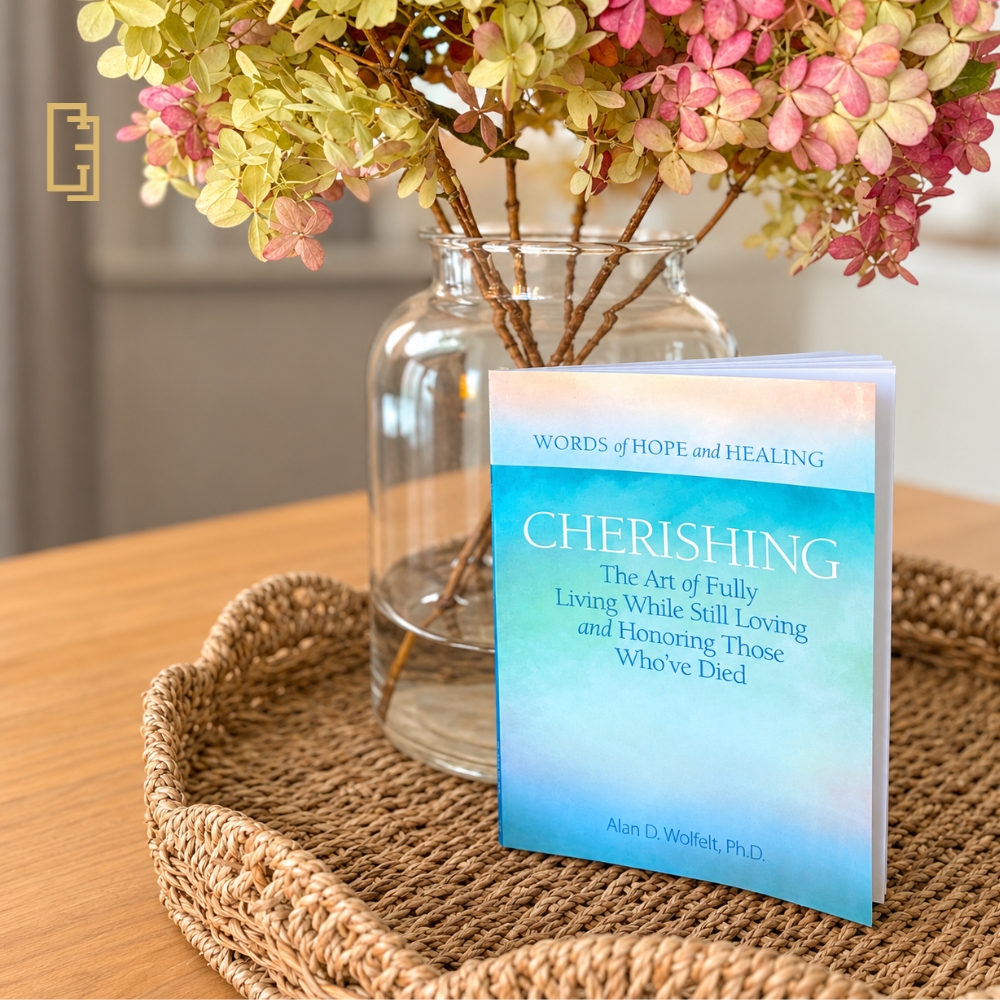
A Reflection on Alan D. Wolfelt’s Words of Hope and Healing: Cherishing the Art of Fully Living While Still Loving and Honoring Those Who’ve Died is a wonderful read about healing from the loss of someone and transforming grief into cherishing through a mindset shift.
Finding Peace with the Past
This book has helped me navigate the inner struggle of questioning why certain things happened and wrestling with the difficult emotions that come with loss. It gently reminds us that while we may never find all the answers or fully understand why things unfolded the way they did, we can learn to accept what we cannot change, make peace with our past, and find a way forward.
More importantly, it has helped me understand that moving forward does not mean forgetting, letting go of the love, or leaving cherished memories behind. It means learning to carry them with gratitude rather than pain. It is about shifting our perspective from what we have lost to what we were fortunate enough to experience, finding peace within ourselves by being grateful enough, learning not to take the present for granted, and living each day to its fullest.
Actively Engaging with Grief
One of the important messages this book conveys is that healing requires us to actively and intentionally engage with our grief rather than avoid or suppress it. Dr. Wolfelt encourages us to find healthy and meaningful ways to express our grief, allowing ourselves to acknowledge and share our feelings gradually, in our own time.
The book reminds us that giving ourselves the space to mourn and process our loss is an important part of healing, so that we mourn well, heal well, and live well again.
The book also explores six important reconciliations that can help us navigate grief and gradually find a way forward:
- Acknowledge the reality of the loss.
- Embrace the pain of grief.
- Remember the person who has died.
- Develop a new self-identity.
- Search for meaning.
- Let others help you, now and always.
These reconciliations remind us that grief is a journey that requires patience, understanding, and compassion for ourselves. They offer a way to honour the person we have lost while learning to embrace life and move forward.
Transforming Grief into Cherishing
Dr. Wolfelt proposes a way of being that he calls “cheerishing.” What I understood from reading this incredible book is that cherishing means that, in grief, when you recall someone, rather than allowing their memory to bring you sadness, you try to remember the best of what you created together.
When grief tries to overcome you and memories come rushing back, it’s okay to take a pause, recall the best of what you created together, cherish those moments, and be grateful that you were fortunate enough to experience them. That, too, has been a part of your story.
Focusing on the good helps turn grief into cherishing. It allows the soul to find peace with both the past and the present, enabling you to live your present life to its fullest. I absolutely believe this is the art of fully living in the present while still cherishing the past.
Meaningful Rituals to Cherish
This book also suggests many meaningful rituals for cherishing. Some of these include:
- Setting aside an annual special day to remember them.
- Finding purpose through meaningful activities, organizations, or volunteer efforts that create a connection to them.
- Giving back in ways that honour what they meant to you.
- Creating a gratitude jar to collect what you are thankful for.
- Supporting a cause that holds special meaning for them, using your time, talents, and resources to make a difference in the lives of others.
- Keeping their personal belongings rather than simply disposing of them.
- Planning a road trip to a place that holds special memories.
Giving back is one ritual I have personally tried to embrace in my own healing journey. I have found that doing something meaningful for others can be a fulfilling way to honour what they meant to you.
These rituals offer meaningful ways to turn remembrance into action while finding purpose in the life we continue to live.
Cherishing as a Way of Being
This book reminds us that cherishing is not just a way of remembering, honouring, and continuing to love someone who has died; it can also become a way of being.
The book shares a beautiful thought from spiritual teacher Ram Dass, who suggests that we should cherish one another and ourselves in the same way we appreciate trees.
He explains:
“When we go out into the woods and look at the trees, we see all these different trees. Some of them are bent, some are straight, and some are evergreen. We look at them and allow them to be just as they are. We appreciate them for what they are.
The minute we get near humans, we lose all of that. We are constantly saying, ‘You are too this,’ or ‘I am too this.’ That judgmental mind comes in.”
He says, “I practise turning people into trees,” which means appreciating them just as they are!
What a beautiful perspective! Imagine how much more peace and acceptance we could bring into our lives if we learned to appreciate people, and ourselves, just as we are, without constantly judging, comparing, or wishing things were different.
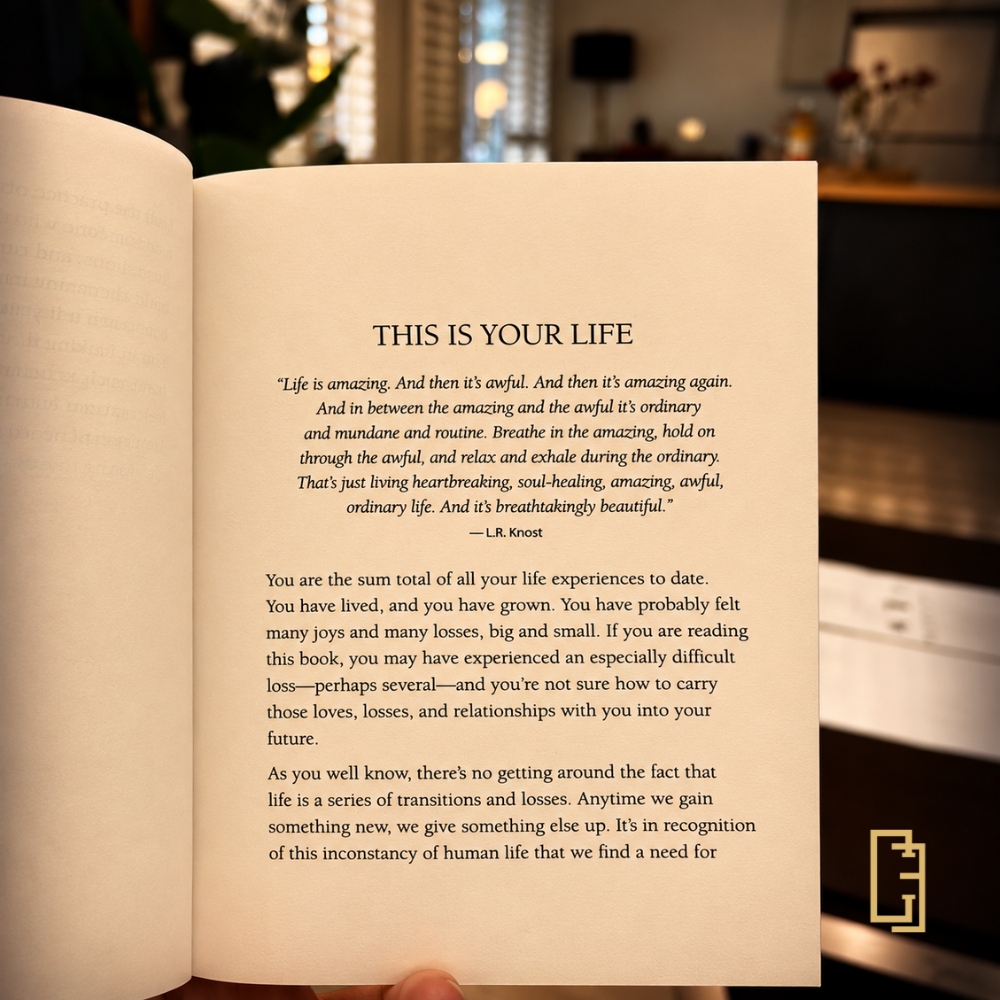
About the Author: Alan D. Wolfelt, Ph.D.
Who is Alan D. Wolfelt, Ph.D., you may ask? He is a respected author and educator on the topics of companioning others through grief and healing from loss. He serves as the Director of the Center for Loss and Life Transition and is a faculty member in the Department of Family Medicine at the University of Colorado Medical School.
Dr. Wolfelt has written many bestselling books on healing in grief, including Understanding Your Grief, Healing Your Grieving Heart, and Grief One Day at a Time.
Visit www.centerforloss.com to learn more about this book and explore and order Dr. Wolfelt’s other books.
Why I Choose to Share My Journey
I choose to share my journey and allow myself to be vulnerable because this book has helped me, and I hope it might help someone else too. If this can bring even one person comfort, hope, or a little peace as they navigate their own journey through grief, then that is the reason enough to share.
Thank you for reading and being a part of my healing journey.