
Healthy Relationships: The Key to Emotional Well-Being
Healthy relationships are the foundation of strong mental health and emotional well-being. at work and at home. The quality of our relationships directly impacts how we think, feel, and grow throughout life. The connections we nurture influence our energy, productivity, and overall happiness.
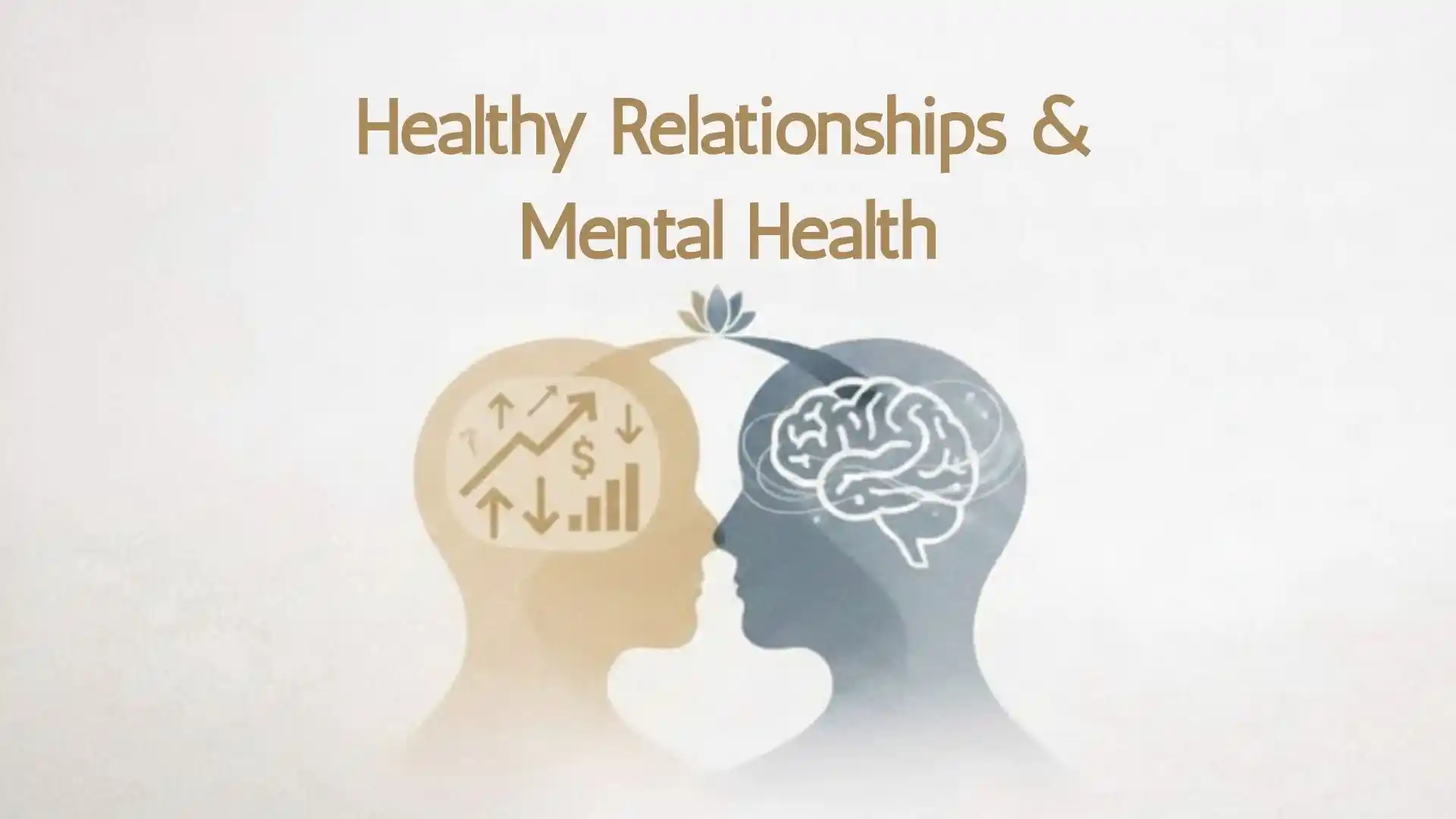
Why Healthy Relationships Are Essential for Mental Health
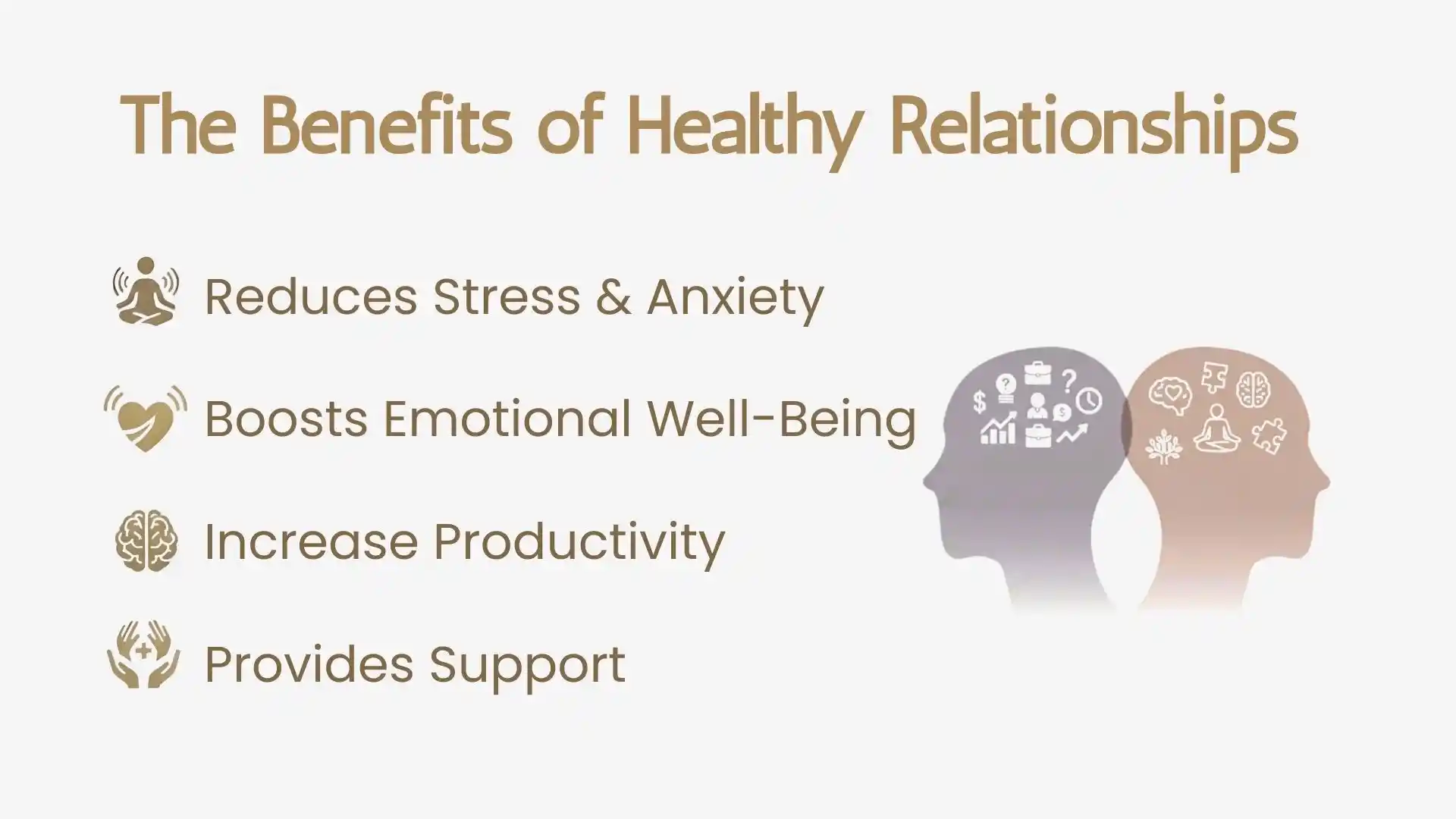
Our minds thrive on healthy connection. Neuroscience and research consistently show that human beings are wired for relationships. A healthy relationship whether with a partner, family member, friend, or colleague—provides emotional support, reduces stress, and strengthens resilience.
Positive relationships help lower anxiety and depression, while toxic or absent relationships can have the opposite effect, increasing loneliness and mental fatigue.
Strong relationships are not just ‘nice to have’; they are essential for mental health and emotional well-being. They create a sense of safety, belonging, and purpose, which are fundamental for a happy, balanced life.
The Power of Emotional Connection in Relationships
Emotional connection goes beyond surface interactions. It’s about empathy, understanding, and truly being there for one another.
Leaders succeed because they connect with their teams emotionally. Brands thrive because they connect with customers emotionally. Likewise, our personal and professional growth depends on authentic connections.
Emotional connection improves trust, reduces confusion, and fosters collaboration. It’s the glue that holds relationships together, providing support during both successes and challenges.
Being Mentally Present in Relationships
There’s a difference between physical presence and mental presence. Being mentally present is active listening, understanding the other person’s perspective, and engaging with empathy.
Whether at home, at work, or in social settings, being mentally present strengthens bonds and ensures that people feel valued and understood. It allows you to respond thoughtfully, offer meaningful support, and build deeper connections.
Building Trust through Healthy Communication
Words have incredible power they can make or break. When used thoughtfully, they can inspire, heal, and motivate. On the flip side, poor communication can create confusion, doubt, and even damage trust.
Here’s how to communicate in a way that builds trust and strengthens relationships:
- Listen actively: Truly listening shows you care and provides emotional support.
- Clarity is key: Be clear, concise, and attentive.
- Choose words wisely: Positive words, encouraging language can uplift and energize those around you.
- Pay attention to non-verbal cues: Your body language, facial expressions, and eye contact all help convey empathy and understanding.
- Set healthy boundaries in relationships: Respecting limits fosters trust and mutual respect.
By communicating effectively, you not only strengthen your relationships but also boost mental health, reduce misunderstandings, and create a more positive emotional environment for everyone involved.
Harvard Research on Relationships, Happiness and Longevity
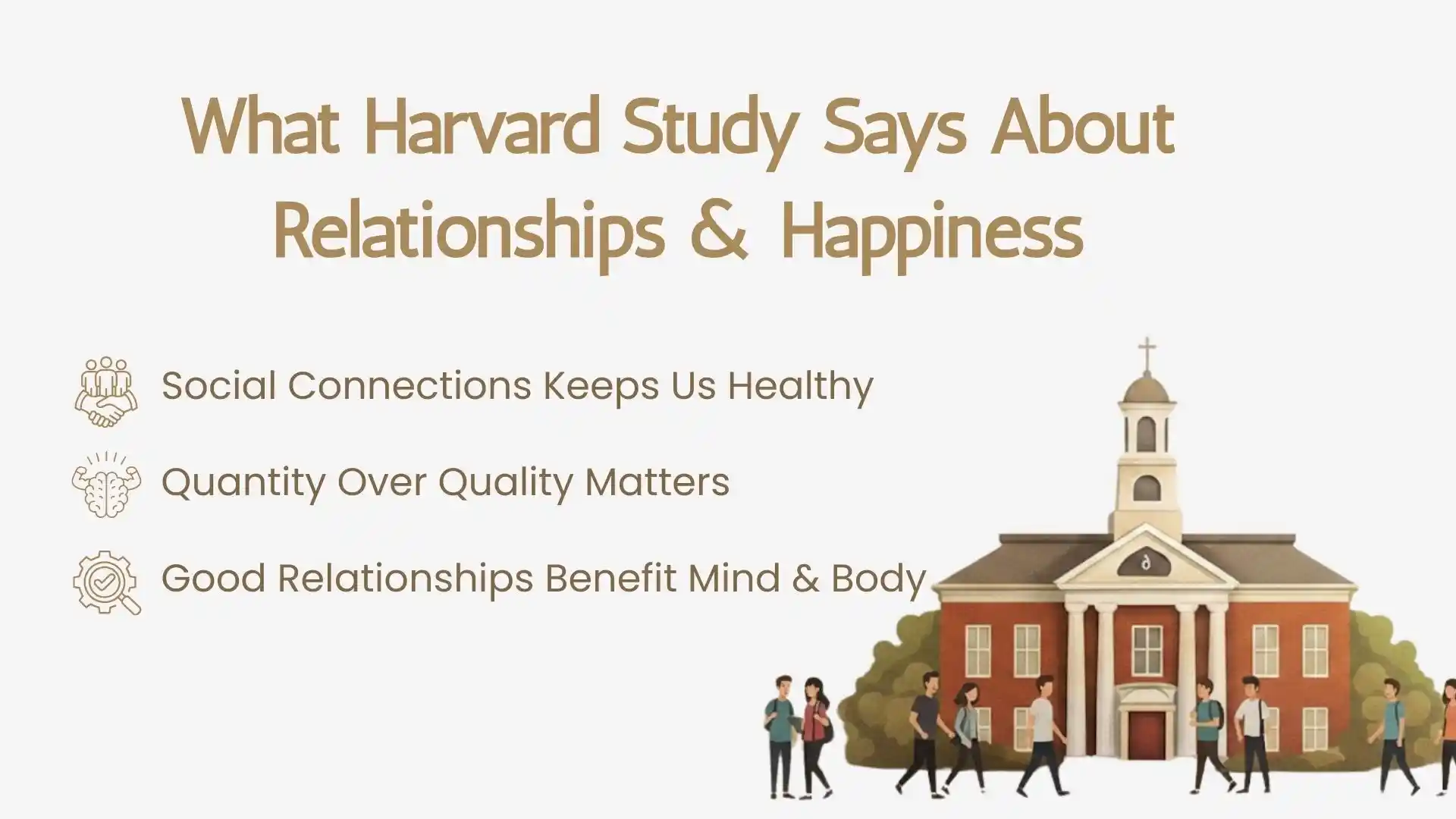
A landmark Harvard study on adult development, tracking participants for over 75 years, reveals that healthy relationships are central to happiness and mental health.
According to psychiatrist Robert Waldinger:
- Healthy relationships are critical for long-term happiness, health, and longevity, even more so than wealth or fame and loneliness harms mental and physical health.
- It’s the quality, not the quantity, of relationships that matters most.
- Good relationships protect both body and brain, even in times of stress and physical pain.
Source: https://news.harvard.edu/gazette/story/2017/04/over-nearly-80-years-harvard-study-has-been-showing-how-to-live-a-healthy-and-happy-life/
Boost Productivity and Leadership
Strong relationships are not only beneficial personally they impact professional success too. Leaders who nurture emotional connections with employees create motivated, engaged, and loyal teams.
Teams with high levels of trust and healthy communication achieve better results, deliver projects on time, and innovate more effectively. Healthy workplace relationships also reduce burnout and increase job satisfaction.
When people feel supported, they contribute their best, both individually and collectively.
Practical Ways to Build Healthy Relationships
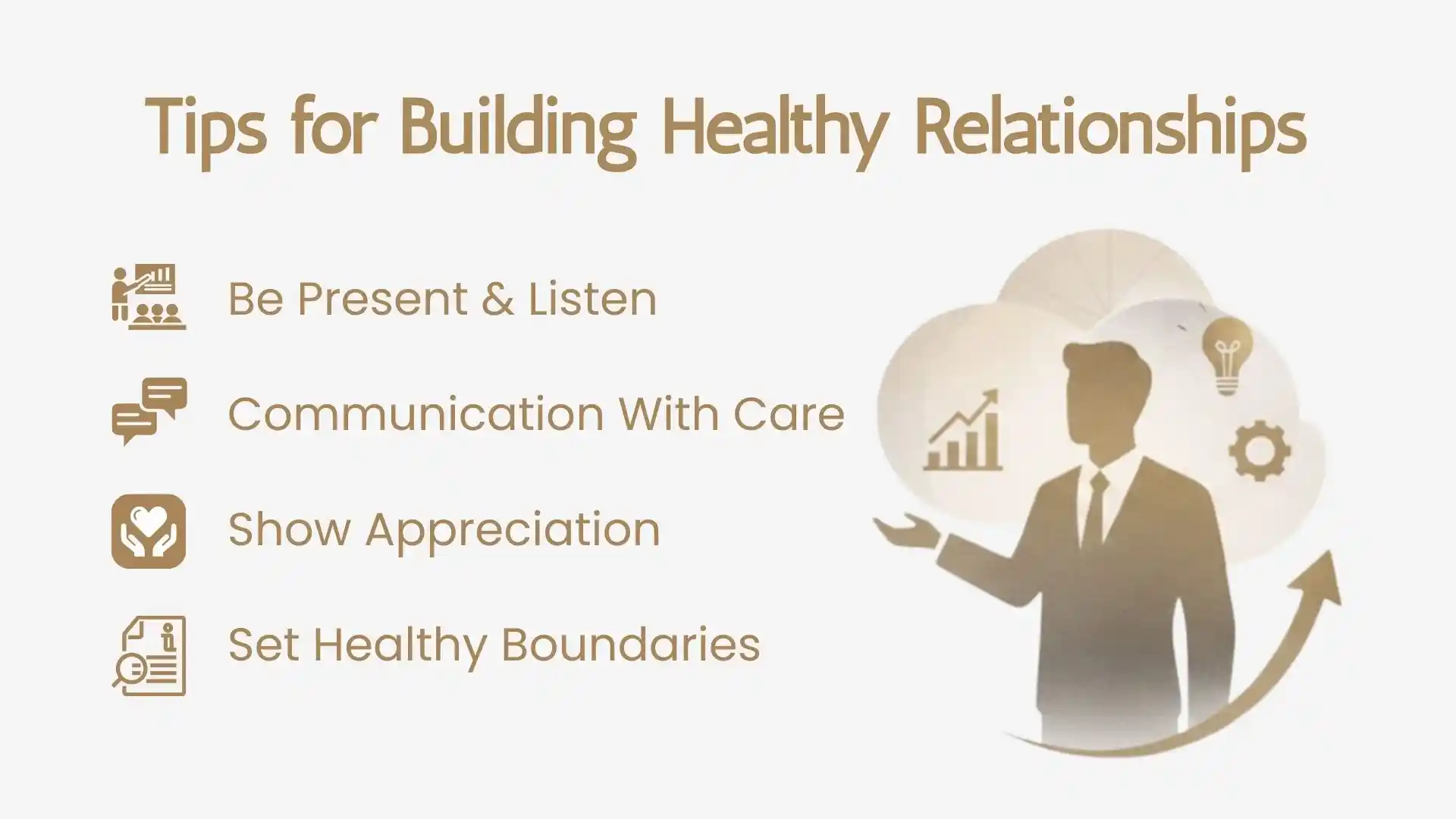
- Be Present: Listen without judgment, respond thoughtfully, and engage with empathy.
- Show Appreciation: Express gratitude, encouragement, and respect.
- Communicate Clearly: Share thoughts and feelings honestly while maintaining respect.
- Offer Support: Be available in times of need.
- Maintain Boundaries: Healthy relationships thrive on mutual respect and clear limits.
- Invest Time and Energy: Relationships require consistent nurturing to flourish.
Conclusion
Investing in strong relationships is an investment in a better future. Healthy relationships are the cornerstone of happiness, mental health, and emotional well-being.
By staying present, listening actively, offering support, and communicating clearly, you cultivate meaningful relationships that truly matter. Remember, small steps toward positivity can lead to lasting personal and professional growth.
Strong relationships foster contentment, enhance productivity, and lay a solid foundation for both personal and business success.